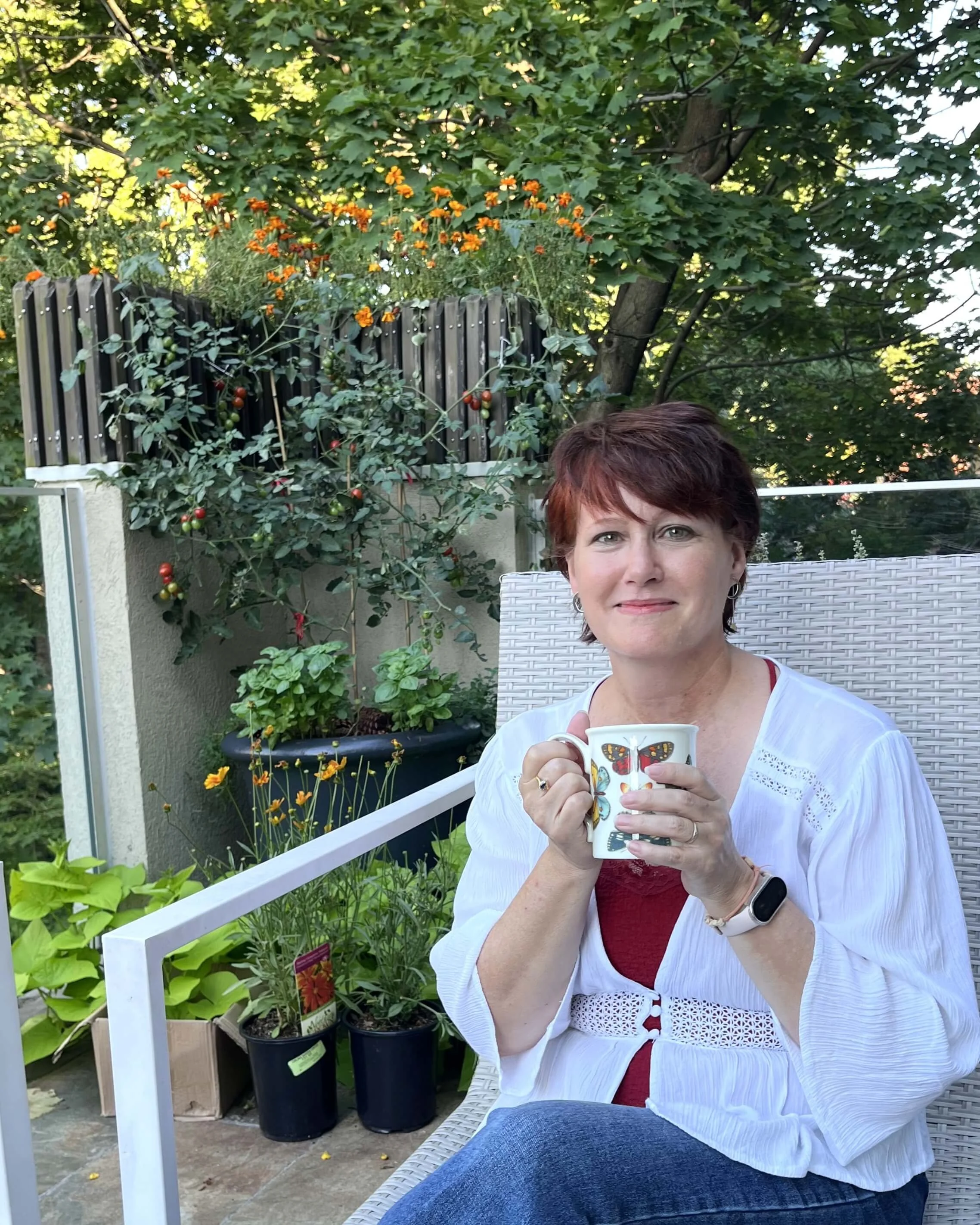
Is It Really Okay With You?
One person told me people often come to him when they need someone to listen but rarely listen in return. He insisted he had no resentment and quickly said, "But that's okay. That's just how people are now."
Maybe it really is okay for him. Helping people may genuinely give him energy. But trying to maintain a positive outlook can sometimes keep us from admitting that something doesn't actually feel okay.
People can value us and still not understand the value of our time. Sometimes someone really is being inconsiderate, but I think a lot of the time they simply don't realize what they're asking.
I Didn’t Know This Was Normal
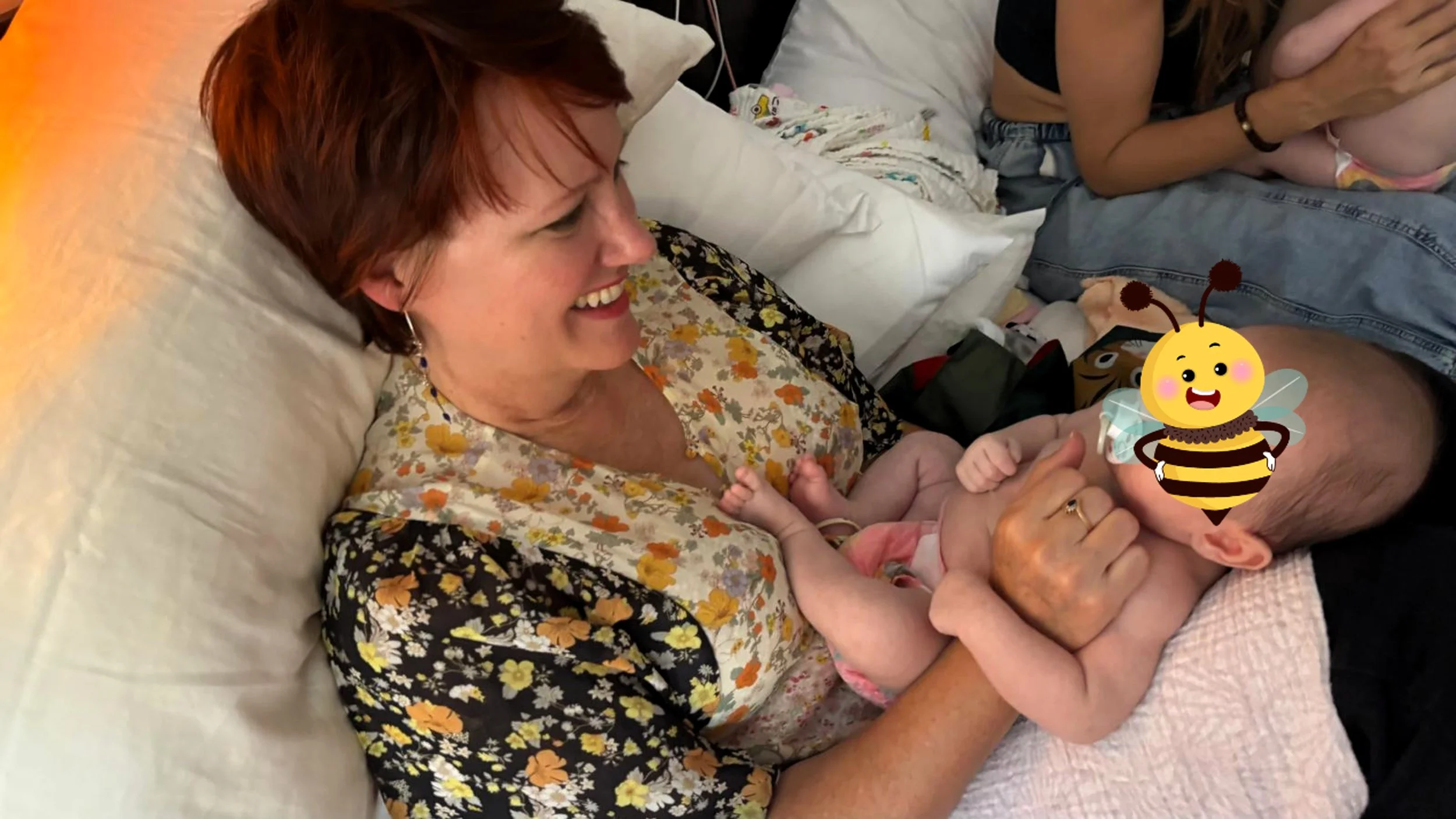
While meeting these beauties, we talked about motherhood, breastfeeding, bodies, and careers.
At one point, she asked whether my boys ever took bottles, and I told her how resistant they were. With my second, I tried pumping more because I wanted a little more freedom, but neither of them made it particularly easy. She shared some of her own struggles with breastfeeding, and I told her something I haven’t talked about very much.
I didn’t love breastfeeding. Honestly, I didn’t love the newborn stage at all.
The Throughline
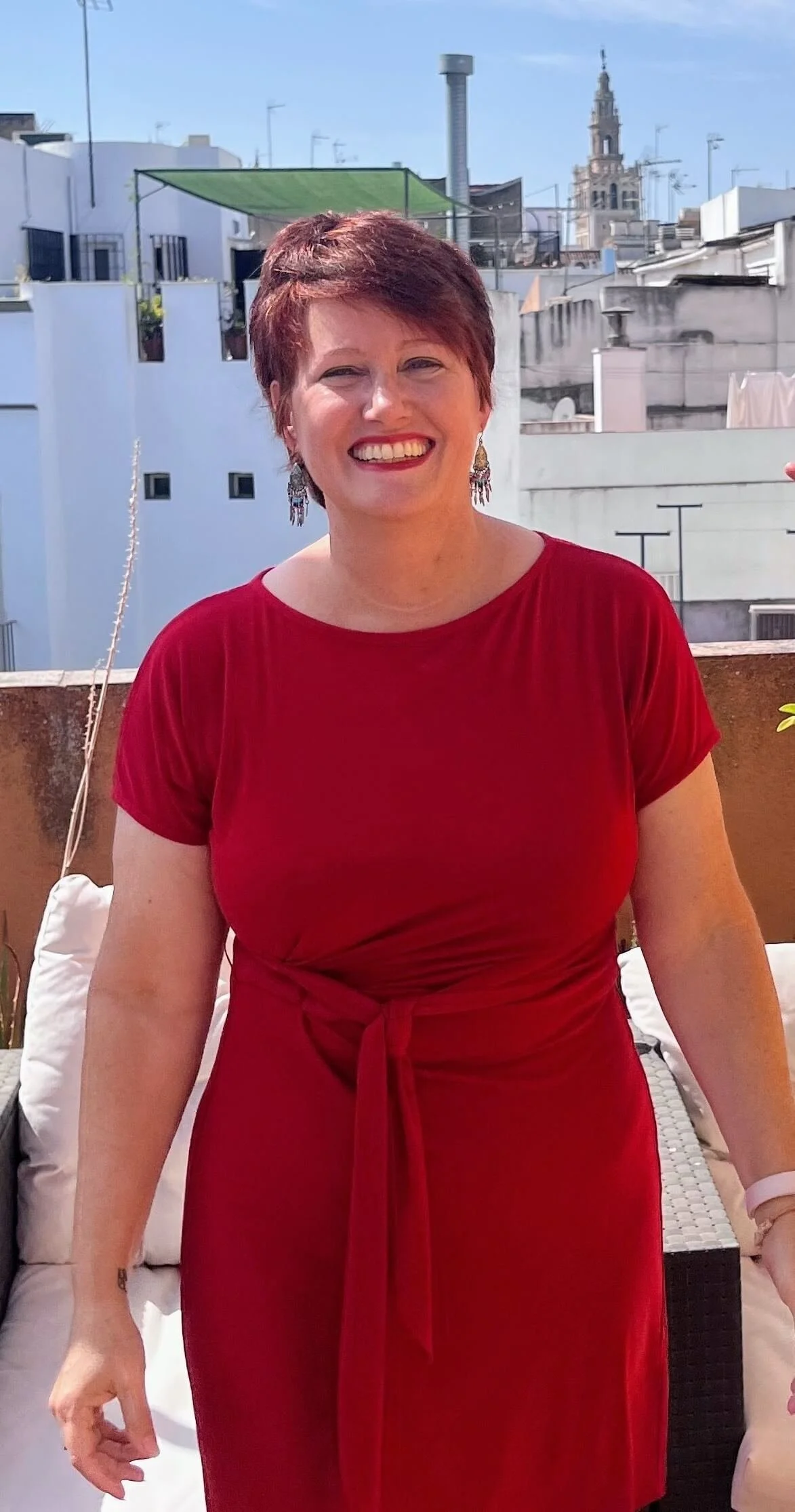
I’ve spent a lot of time lately trying to put words around what I actually do, which is harder than it sounds when your work includes coaching, facilitating, and mental fitness, along with expansion into travel and relocation. For a few moments, I worried that it looked like I was heading in ten different directions, but I don’t feel that way anymore.
At the center of all of it is guiding women through change. It might be career, moving abroad, building something new, burnout, or realizing that the way they’ve been living doesn’t quite fit anymore.

No Somos Nada
We didn’t plan to see the eclipse. We saw a nearly full eclipse in Tulsa, and it was interesting but not life changing. Then our schedules worked out and we said, “why not?” We drove about 6 hours to a small town with a good view of the total eclipse, according to the maps I found online. Leading up to it, we watched through our solar eclipse glasses, and I plugged my ears so I could experience it without the running commentary of people nearby. Did I mention I’m in perimenopause? 😉
And then it happened. For a minute and a half we witnessed something incredible. Everything fell away, and we were in that moment completely.
When Your Work Starts to Feel Like You
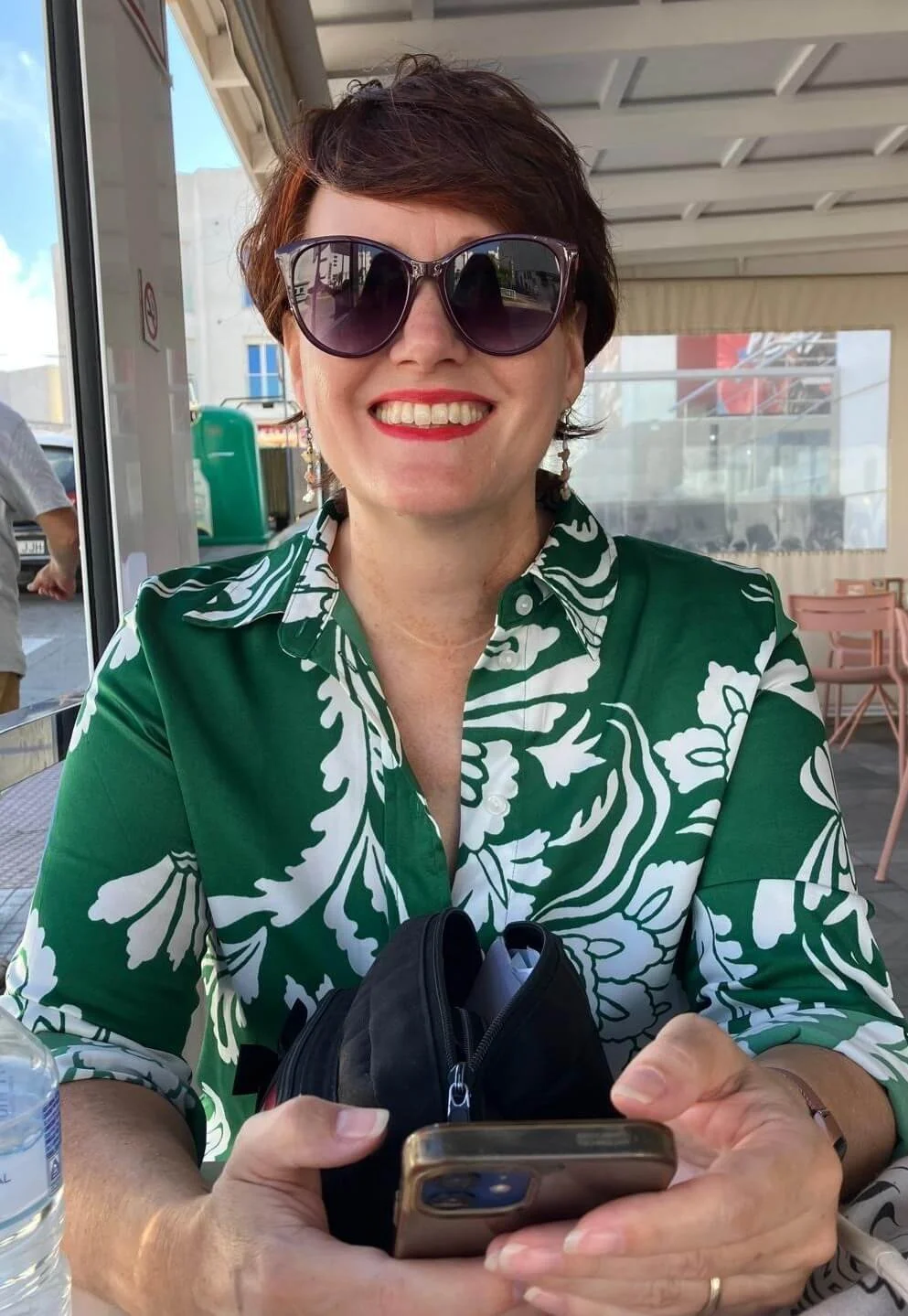
A few weeks ago, I wrote about women in midlife who are trying to figure out what comes next. I’ve been thinking about that again because, for the first time, I understand why some entrepreneurs become workaholics.
I’ve overworked plenty of times before, usually because of stress, loyalty, obligation, or feeling responsible for making sure the work was done and the team was cohesive. But this feels completely different.
Lately, I’m having trouble pulling myself away from the work because I’m so excited about what I’m building. Ideas wake me up early in the morning. I keep thinking of one more thing I want to plan, write, create, or talk through. I feel almost giddy, which is not a word I normally use.
Solo Travel Doesn’t Mean Alone
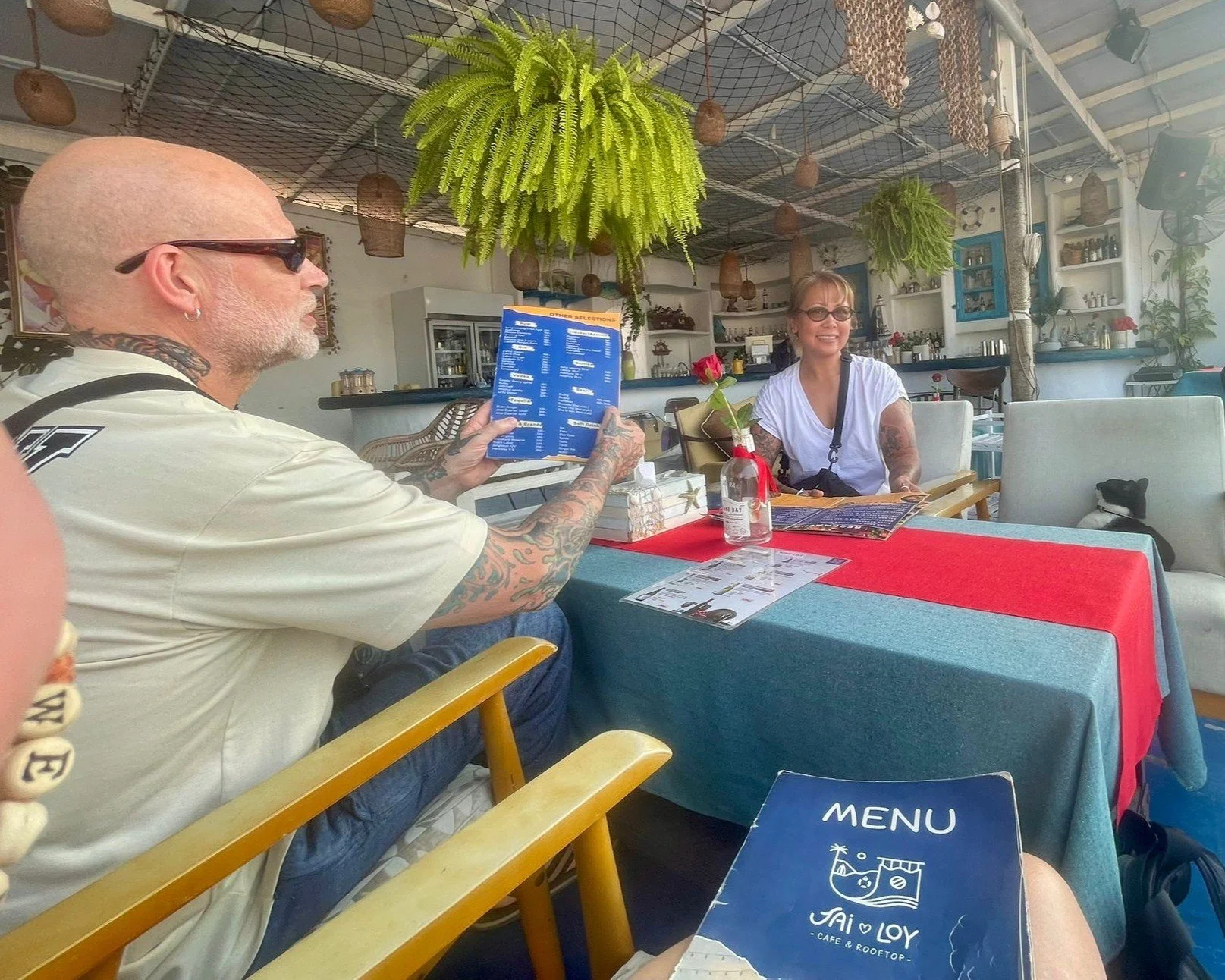
I’m ready to tell the story of my sprained ankle on my solo trip and reassure you that solo travel doesn’t have to mean unsupported travel.
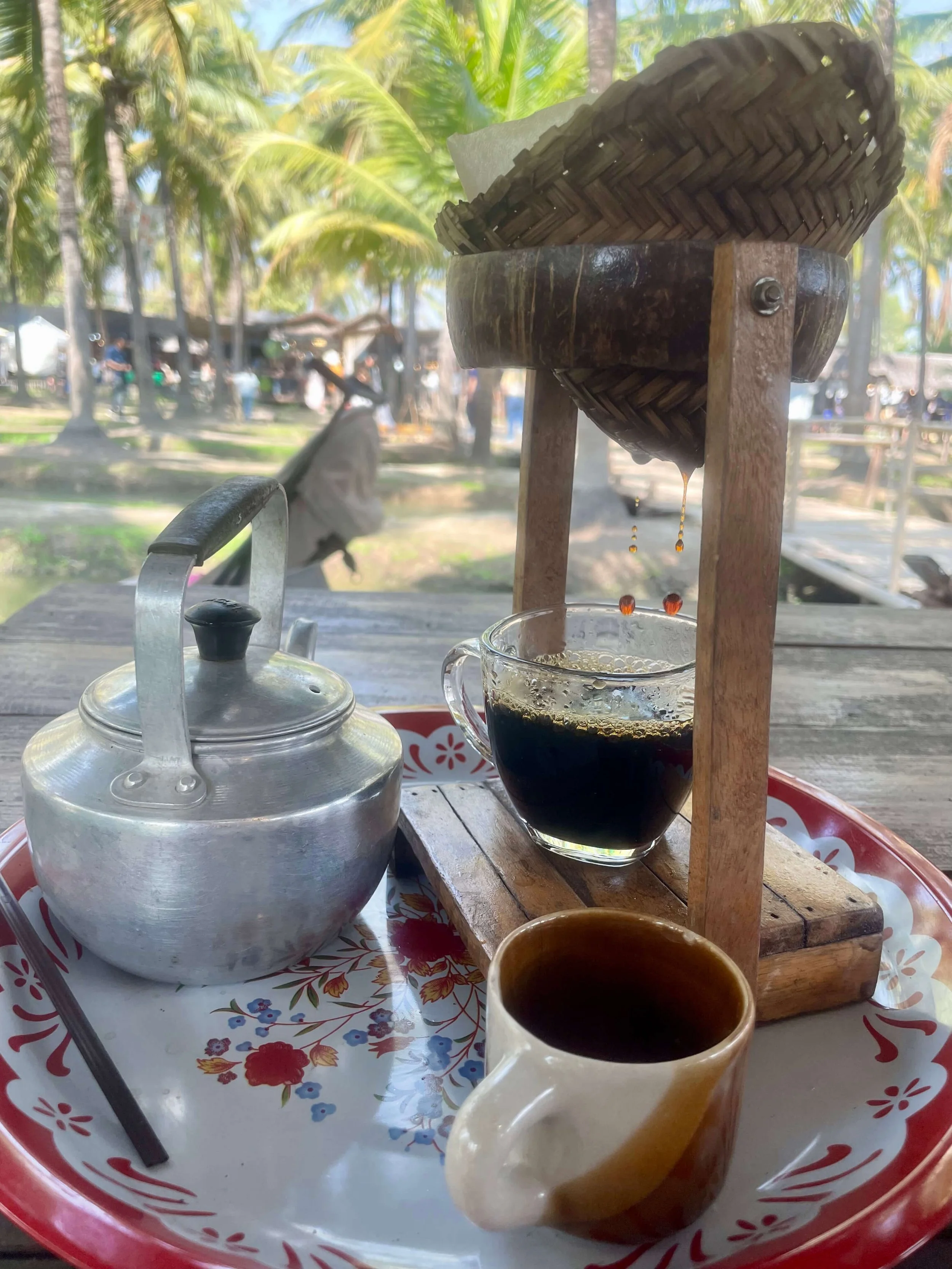
I did very little planning (so hard for me) and let the trip take me where it wanted. That led to so many serendipitous moments, like finding out that new friends would be in Chiang Mai at the same time as me.
One evening, as we walked through a night market looking for a particular shirt, I spotted one at a stall. I stepped up on a humongous curb to get a closer look. As I turned to tell my friend, I stepped off the curb without looking and straight into a sizable hole in the ground.
My already weak ankle, which hadn’t fully healed since my last ankle adventure, twisted, gave out, and I fell to the ground. The pain was intense, and I thought, “NO, not again!” I was so frustrated with myself, getting hurt at the very start of my seven-week trip.
The Independence I Didn't Expect
Though I love support, I know I can take care of myself. I started traveling solo for work when I was in my 20s, and the only obstacles I faced were my fear of flying and missing my kiddos, but there was never a doubt in my mind that I could handle it. Knowing I can take care of myself doesn’t mean I’m never scared.
When I first thought of traveling to Asia by myself, I felt about 50% fear and 50% excitement. Let’s throw some guilt in there too. That mix of emotions made me hesitate. But solo travel means giving yourself permission: permission to spend the money, take the time, leave the usual responsibilities, and want something that is just yours.
The Patterns We Share
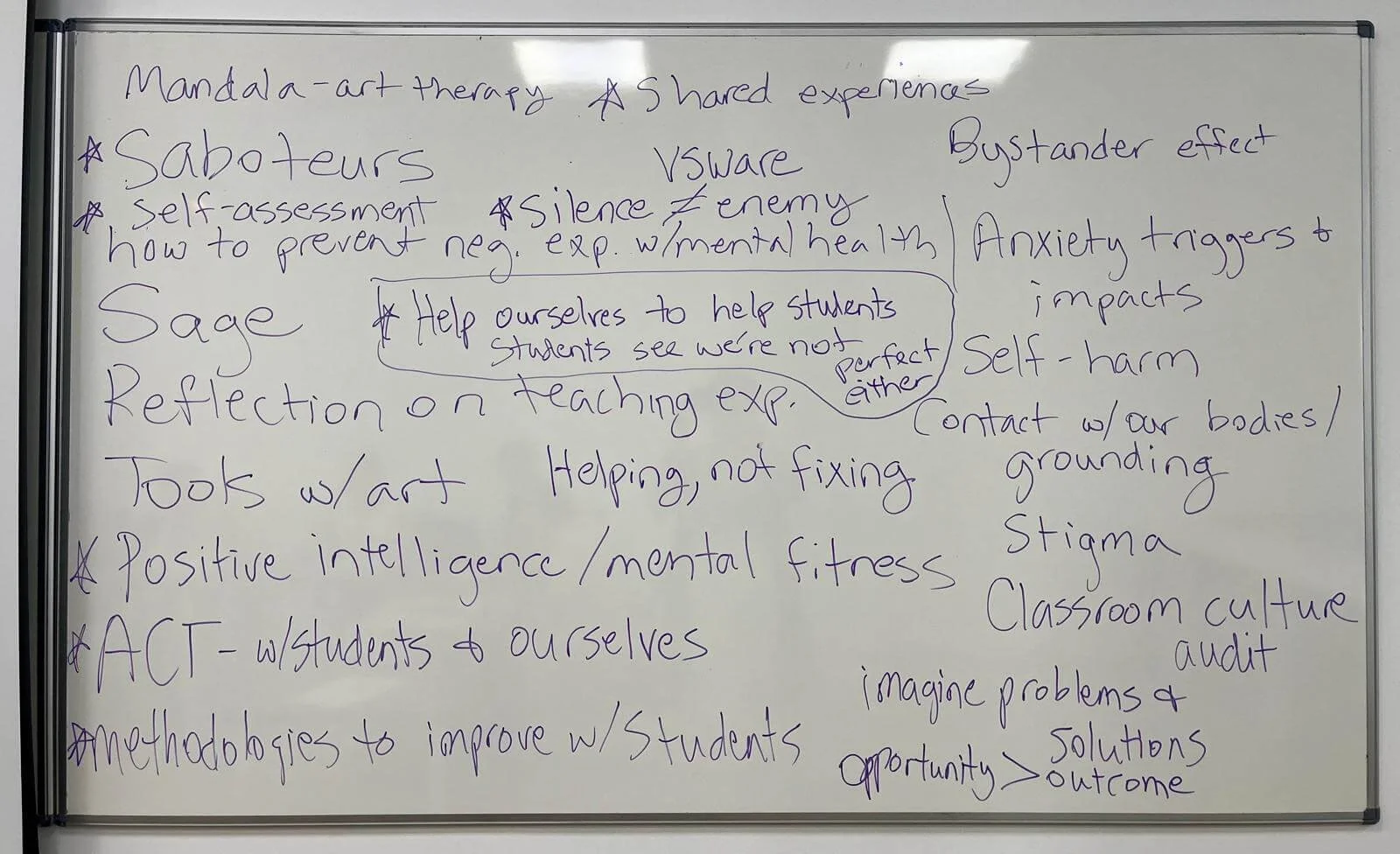
One thing I loved about facilitating these past couple of weeks was seeing similar lightbulb moments with people in very different stages of life. It also reminded me how meaningful it is when something I care about is genuinely useful to someone else.
My Organizational Behavior students are finishing their first year of university, many just starting to think about how and where they want to work. The educators in the Mental Health for Teens course have 13–30 years of experience supporting students.
In both, people connected most with the idea of saboteurs and mental fitness. Saboteurs are the inner patterns that can take over when we are stressed, like the Judge, Controller, Pleaser, Avoider, or Hyper-Achiever. Mental fitness is the practice of noticing those patterns and building the ability to pause and ground ourselves before we react.
For some of my students, that meant truly understanding not everyone thinks the way they do. They started to see how their self-saboteurs affect the way they react to challenges and the people around them. Many had been taught to avoid conflict, and several told me they now see that healthy conflict can be better for everyone involved. They also appreciated how much they value a positive work culture, especially after watching Office Space. 😉

The Songs That Stay With Us
We made the trek to a music festival in Lisbon this weekend, and I could not have prepared myself for how emotional I would feel.
Cyndi Lauper was one of my favorites when I was a kid. I loved that she was quirky, weird, colorful, fun, and completely herself. I listened to her albums over and over, and there was something about her music that made me feel less alone.
I didn’t always feel like I fit in as a kid. My brother didn’t either. We were not really accepted for our beliefs, except by our close friends, and her music made me feel like being different was okay.
So standing in a huge crowd in Lisbon, surrounded mostly by Portuguese people of all ages who somehow knew every song, was unexpectedly moving. I kept thinking about the kid version of me listening to those songs and how strange and beautiful it felt to be hearing them all these years later with thousands of people who felt connected to them too.

How Did This Become My Normal?
Sometimes I look around at my life here and think, “how did this become my normal?” 😊
On Friday morning, we started the day having breakfast with friends in Madrid. We spent the day watching short films and ended with our friend’s award-winning screening, with his cast and crew calling in from Oklahoma City to answer questions in front of the audience.
Then we jumped in a cab, rushed to Atocha, and took the train back to Sevilla. The train left on time but somehow arrived 20 minutes late, which would not have been a big deal except we had 45 minutes to get to a 60th birthday party on a boat.
And you can’t be late for a boat party.

Nothing Is Wasted
When “fine” stops being enough, one of the first fears that can pop up is wondering if changing direction means it was all a waste.
Questioning the years of energy dedicated to a career, a home, a role, or a life you once thought you wanted. That fear can keep people stuck for a long time because no one wants to feel foolish or look back and wonder why they spent so much time trying to make something work.
I see this with women who have stayed with one company for years, even when the work no longer fulfills them. I see it with small business owners who have poured so much into an idea that it feels painful to admit it’s time for something else. I see it with people who built the dream home, raised the kids, and then feel confused when a part of them wants something different.

When Fine Stops Being Good Enough
There comes a time, especially in midlife, when “fine” isn’t good enough anymore.
Maybe you’re burned out in your career, semi-empty nesting, considering a total life change like moving abroad, or your changing hormones have made it harder to keep people-pleasing and smoothing everything over. Whatever the reason, there comes a point when you can’t keep pretending this is enough.
It can feel like exasperation, frustration, overwhelm, or just plain exhaustion. It can leave you wondering why something that used to feel manageable suddenly doesn’t and thinking, “What’s wrong with me? Why can’t I decide? Why can’t I just be grateful?”
It’s confusing because so often there isn’t one obvious thing wrong. And if you’re not surrounded by people going through something similar, you can feel misunderstood, unseen, or ungrateful for even questioning things.
The Gift of Being Understood
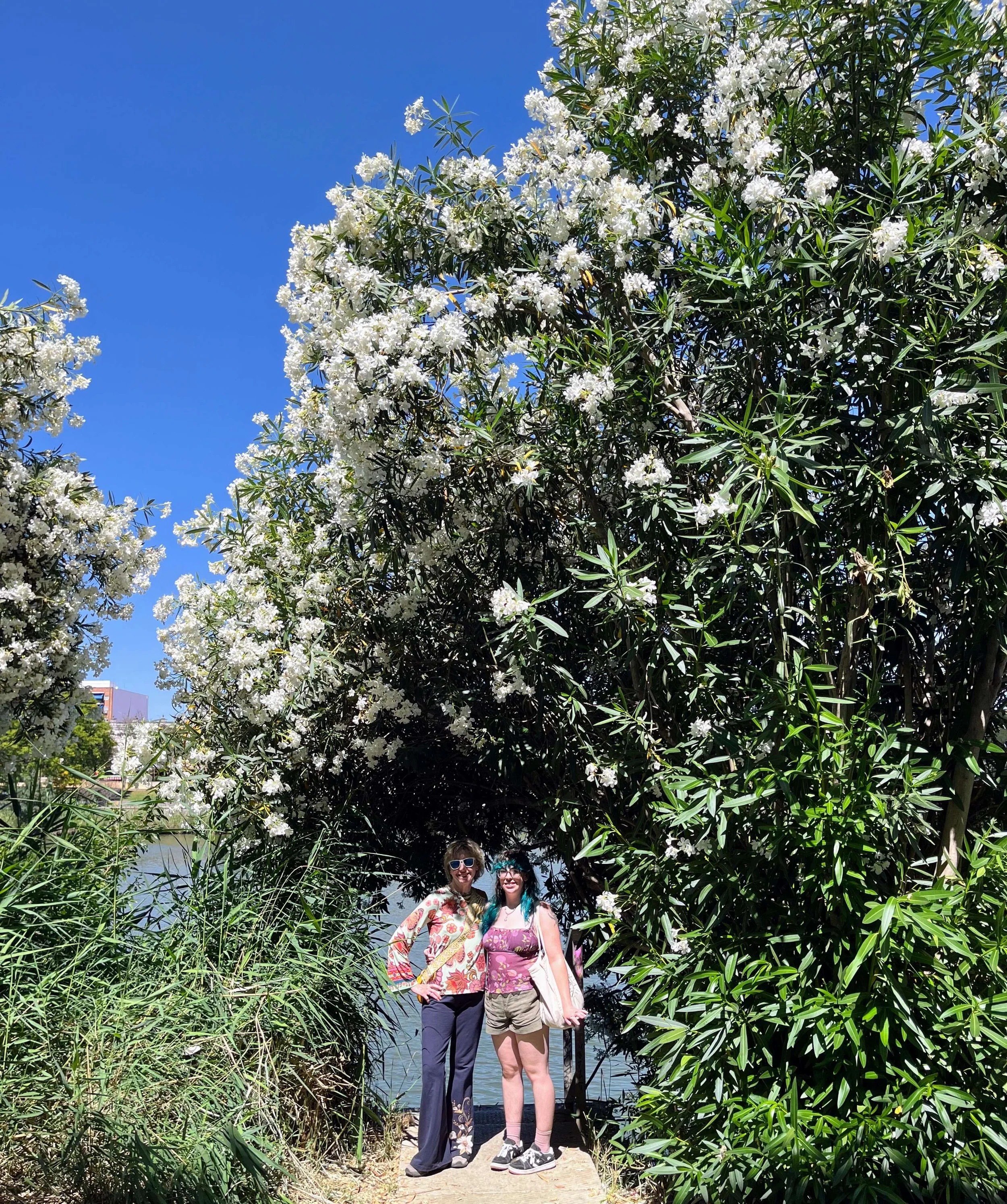
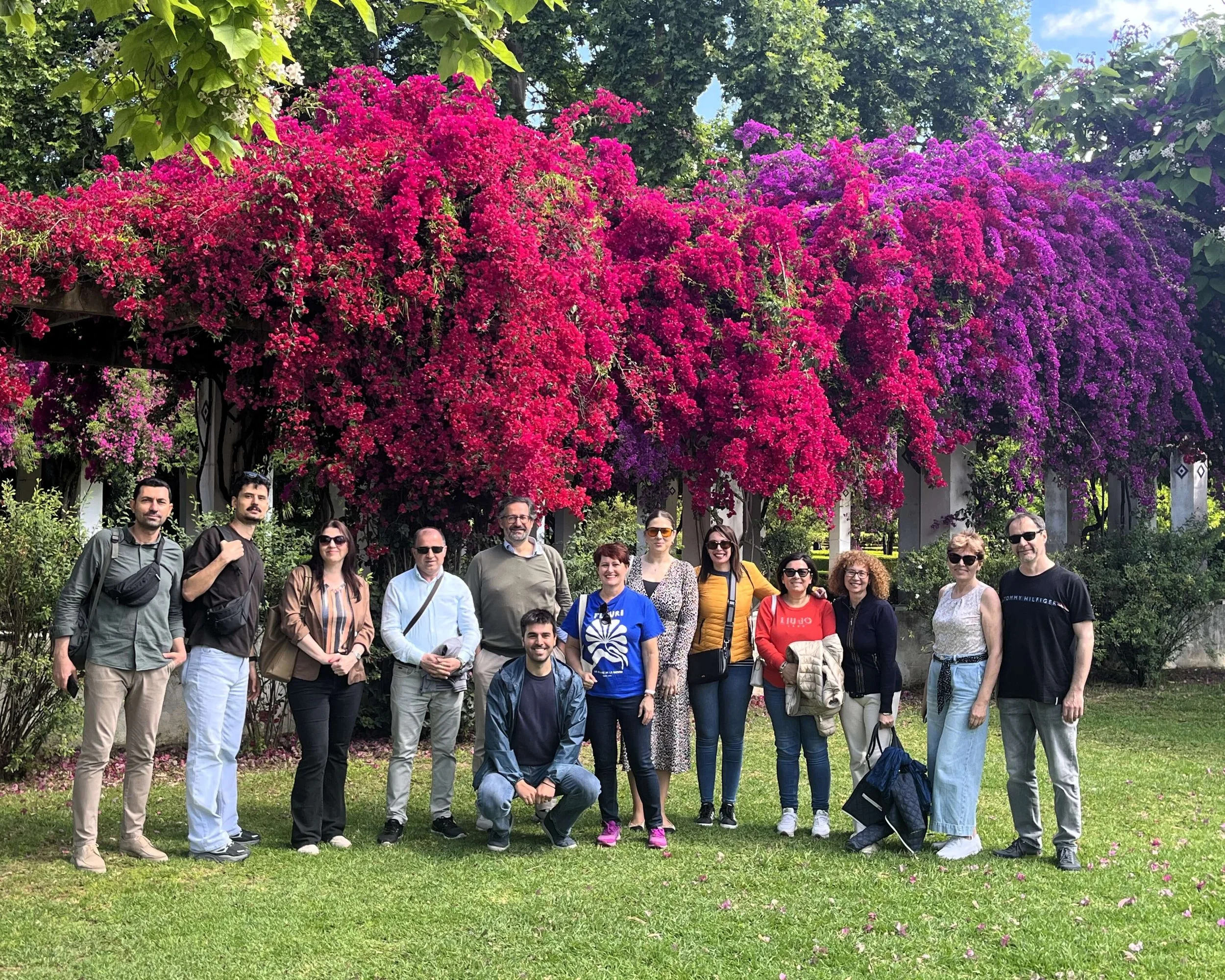
Our friends from back home visited us this past week, and it was fantastic.
They were two of our closest friends when we moved away. We still keep in touch, but life keeps moving for all of us. We’ve all made new close friends in our own places, but when we see each other, it feels like no time has passed.
Having them here was so special. There had been several close calls over the years, but they had never been here to visit us in Sevilla. One of my favorite things about people visiting us from back home is getting to show them why we chose this life. It’s one thing to explain it when we visit. It’s another to walk through Sevilla together, eat the food, see the beauty, experience the lifestyle, and meet the community we’ve built here.
Life Keeps Expanding
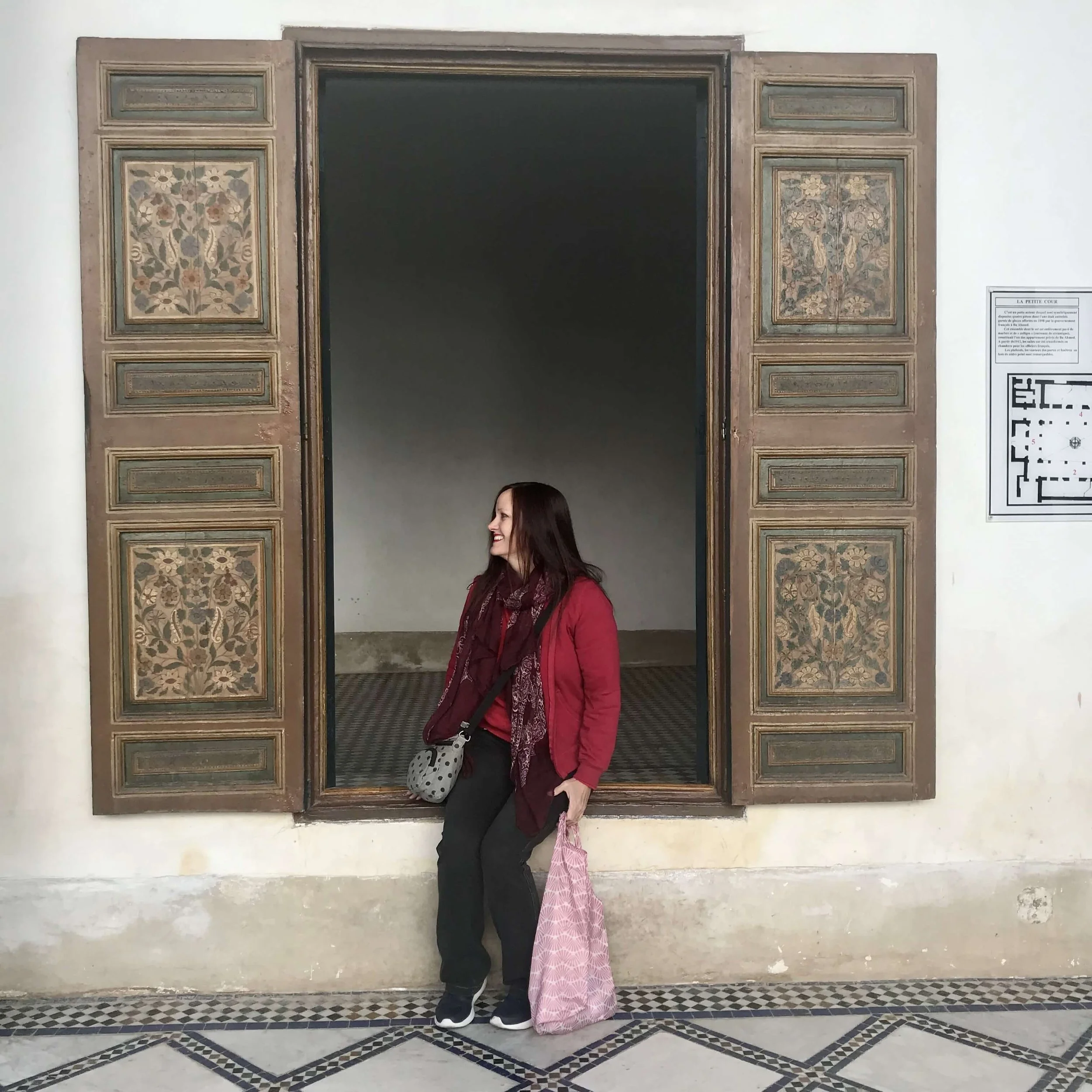
I just finished my citizenship exams, the first step of many, and I feel so relieved.
I won’t receive my results for 2-3 months, but I feel good about almost all of it: culture, history, writing, listening and reading comprehension. The only part giving me a little anxiety is the speaking section.
I practiced with my husband, and I was doing great. He said, “You know a lot more than you think you do.” I was nervous but feeling pretty confident.
Then I walked into the exam room and it was immediately, “Spanish? Never heard of it.”
Trying to Figure Out What Comes Next
I’ve had a run of conversations lately with women who are not exactly lost but are trying to figure out what comes next for them.
These women are not lacking skills or experience. They may have worked, raised kids, moved countries, supported partners, adapted, and kept a lot of things moving, but that does not make it easy to answer the question of what comes next.
By midlife, most of them are not looking for work just to stay busy. They’re trying to build a life that fits who they are now, not who they were ten or twenty years ago. That can be uncomfortable because there is rarely a simple path from the life you had before to the one you want now.
When Loving Them Means Letting the Relationship Change
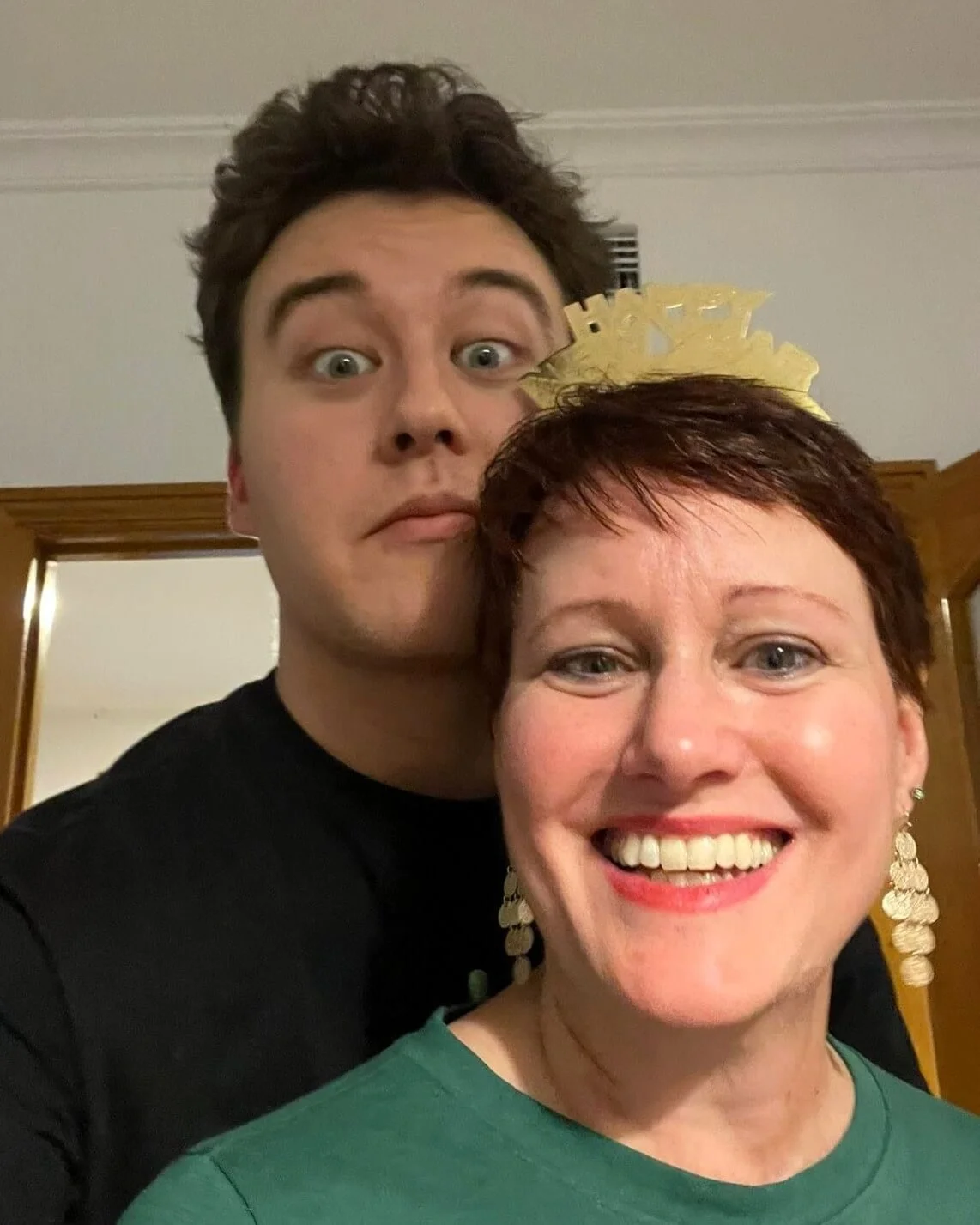
One of the hardest parts of loving an adult child is learning how to stay close while both of you are changing.
My son has been across the ocean the past 6 months and just came here for a visit. It was lovely and bittersweet.
I’m deeply proud of him for testing out his independence, figuring out so much on his own, and building a life that is his. That is exactly what we want for the people we love.
And still, part of the cost of that kind of growth is that the communication changes. That has been hard on all of us, including him.
When Sleep Becomes Negotiable
Sleep is one of the clearest places where women still treat their own needs as negotiable.
In my last post on sleep, I said I would probably come back to this because it is about more than sleep techniques.
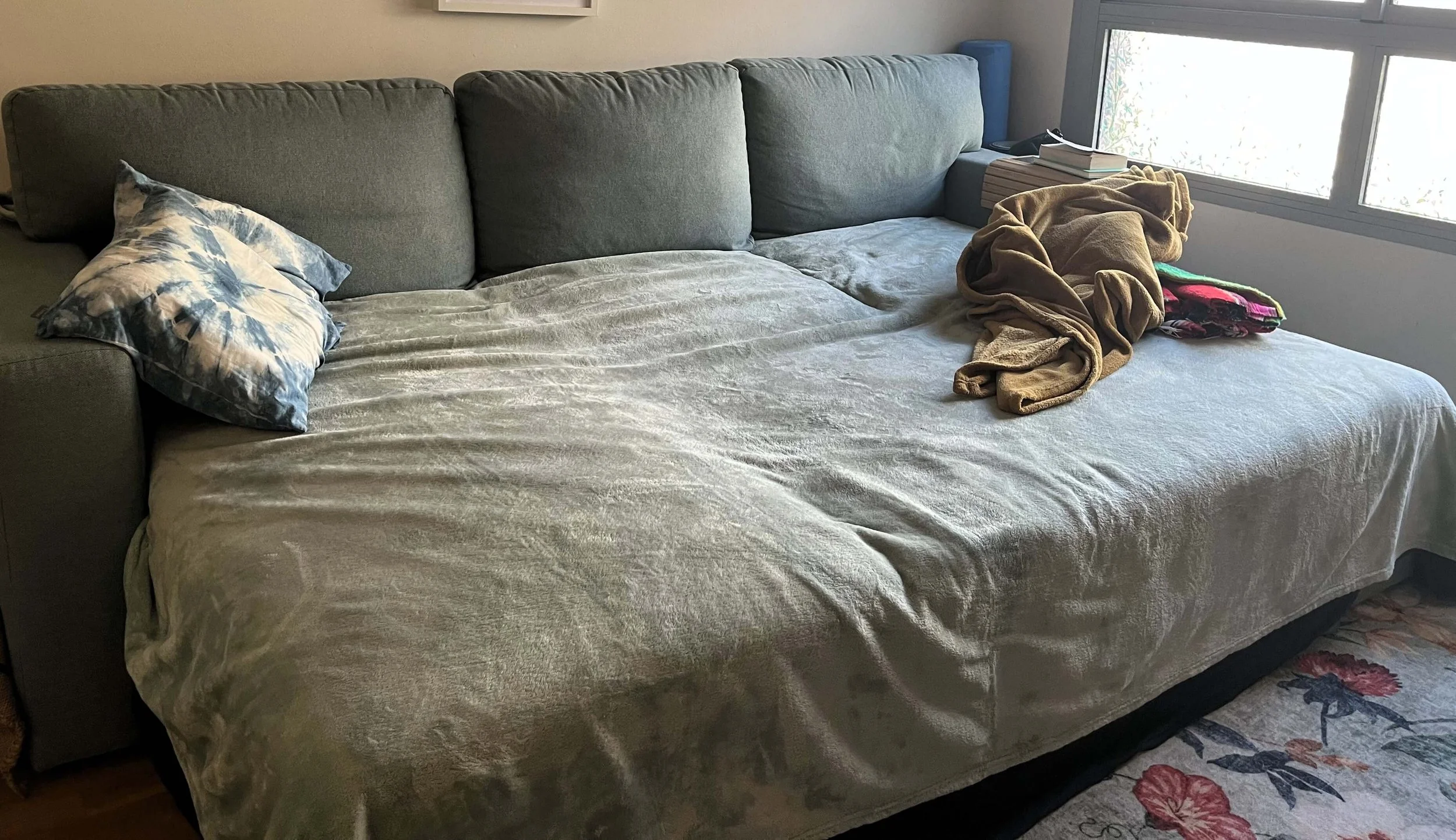
Sleep can get complicated for all kinds of reasons when you share a bed, a room, or a life with other people, but I continue to notice in my conversations with women that they are often the ones paying the price. I relate because I used to compromise my sleep too.
Women are exhausted, waking through the night, dragging themselves through the next day, and still protecting someone else’s comfort, routine, or feelings over their own health.
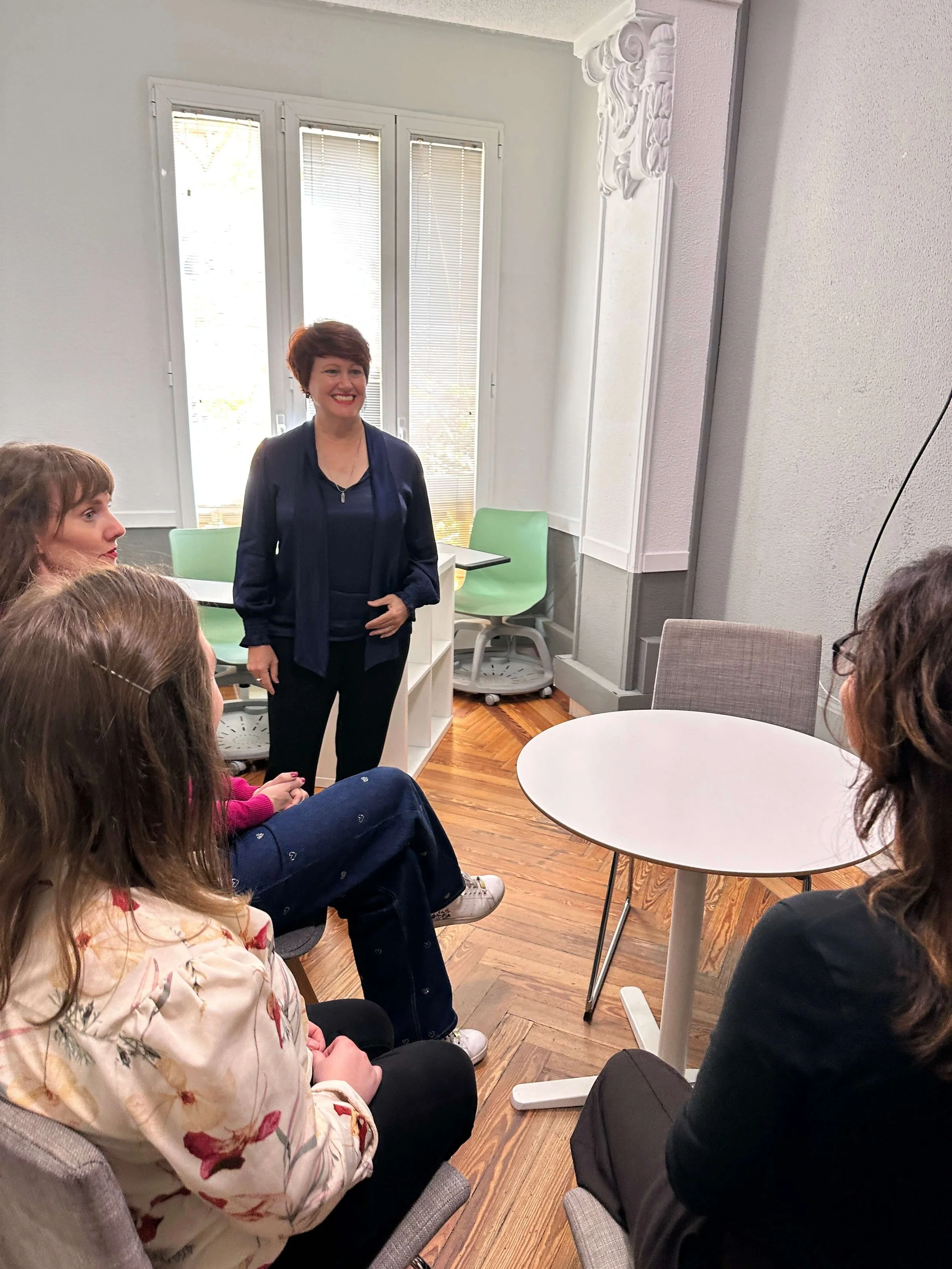
You Don’t Need to Be the Expert to Lead Well
A lot of people hold themselves back because they believe they need to be the expert in order to lead something well.
A couple of recent conversations with friends and colleagues helped me rethink that.
They helpfully reminded me: what if the value is not in knowing everything but in how you guide people through the experience? The content may be the same, but the person leading it changes the entire experience.
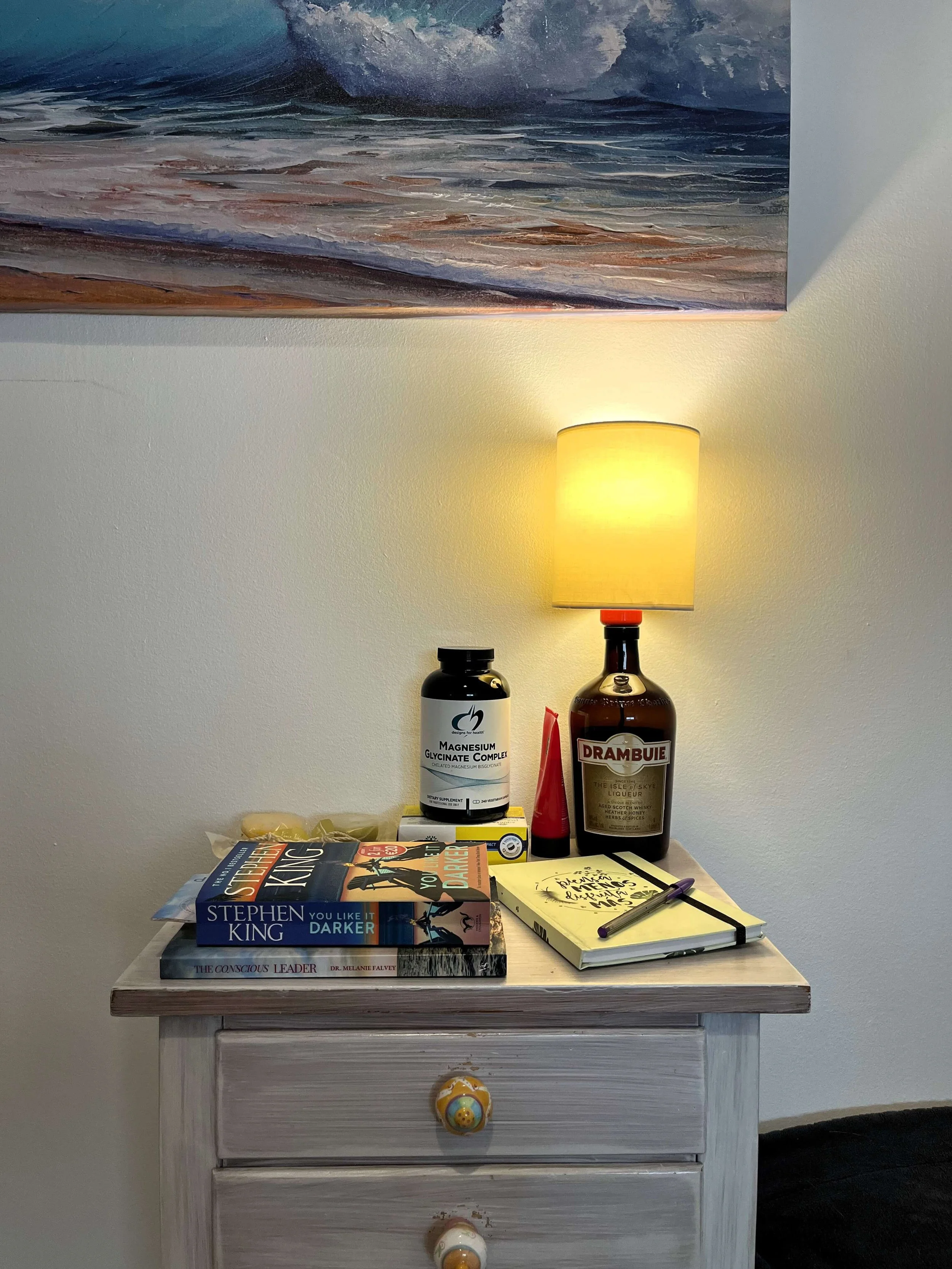
What Actually Helps at 3 A.M.
We talked about sleep in my women’s group this week, and some of the most helpful takeaways were surprisingly simple.
What we all had in common was waking in the night and then getting stuck once the mind started racing.
What Helps in the Moment
One of the biggest reminders was that bedtime is not the time to solve problems. No planning, no replaying the day, no trying to figure out your life at 3 a.m., because 3 a.m. is not exactly known for its wisdom. If a useful thought comes up, notice it, thank it, and let it go. If it’s truly important, you’ll remember.

What Envy Might Be Trying to Show You
Sometimes the people we envy are pointing us toward something important.
I’ve been thinking about the people who expand my sense of what’s possible. What grabs my attention is rarely just their success. It is usually something more human than that: a sense of ease in who they are and the feeling that they trust themselves and the life they are building.
Envy can be useful. It can show us where we want to grow, what we want more of, and what feels possible for us too.